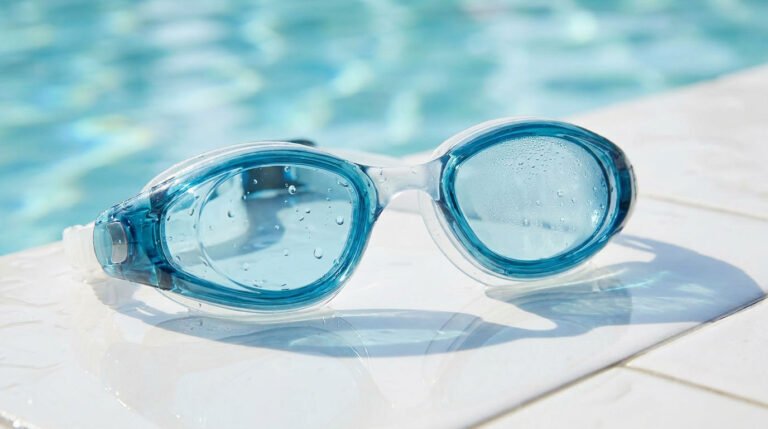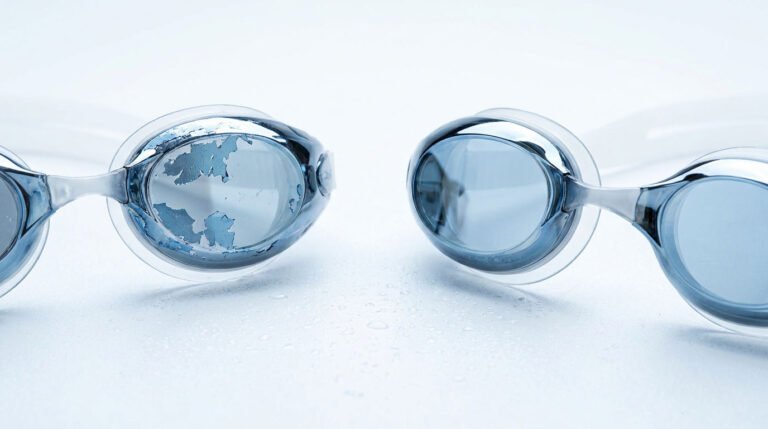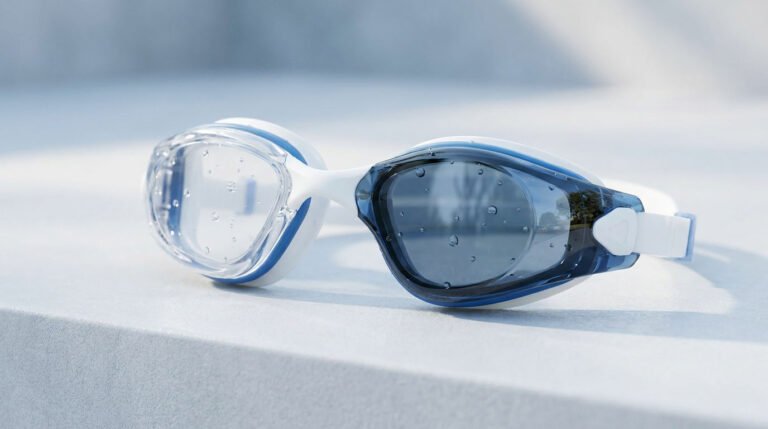
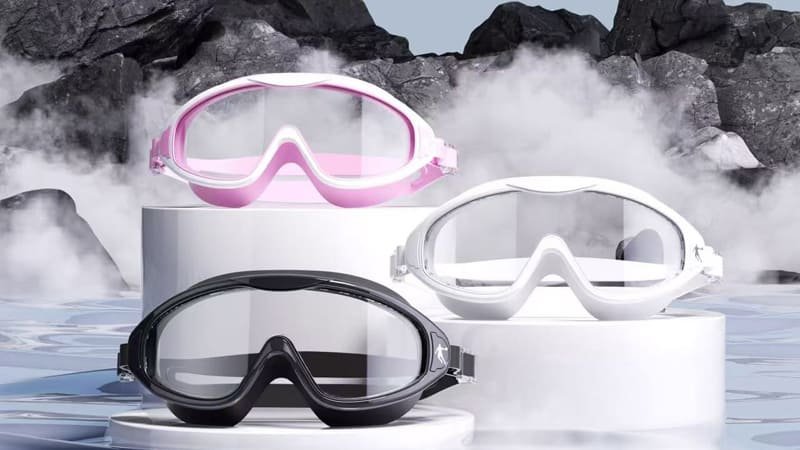
Foggy swimming goggles can interrupt training, reduce underwater visibility, and frustrate swimmers. But are anti-fog swimming goggles really better than regular goggles?
Anti-fog swimming goggles use specialized lens treatments to reduce condensation and maintain clearer vision. Goggles without anti-fog treatment are more likely to develop visible fog as moisture condenses inside the lenses.
However, many standard swimming goggles already include anti-fog technology. The real difference is not simply whether goggles are labeled "regular" or "anti-fog," but what lens treatment they use, how effectively it works, and how long the performance lasts.
This guide compares anti-fog and untreated swimming goggle lenses, explains their practical benefits, and highlights what swimmers and OEM buyers should consider.
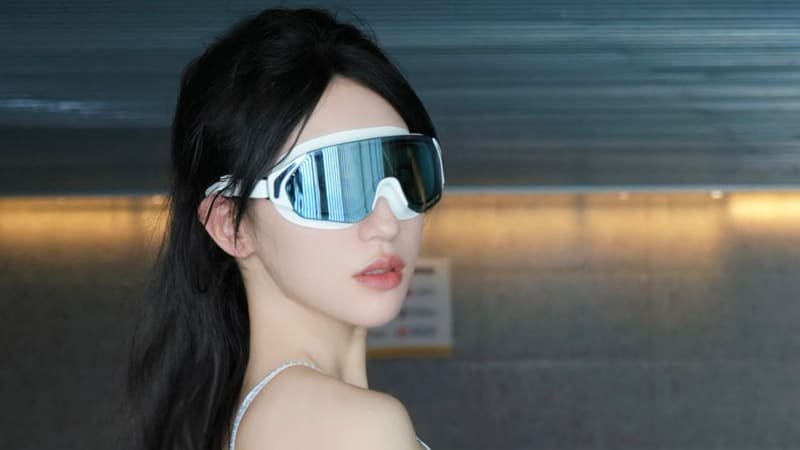
Quick Comparison: Anti-Fog vs. Regular Swimming Goggles
When comparing swimming goggles, it is important to distinguish between lenses with anti-fog treatment and those without it.
| Feature | Goggles Without Anti-Fog Treatment | Anti-Fog Swimming Goggles |
|---|---|---|
| Lens treatment | No dedicated anti-fog treatment | Coating or integrated anti-fog technology |
| Fog resistance | More prone to condensation | Designed to reduce visible fog |
| Underwater visibility | May become cloudy during use | Usually clearer while treatment remains effective |
| Treatment durability | Not applicable | Depends on technology, exposure, and care |
| Maintenance | General lens care | Additional care may be required |
| Main advantage | Basic lens functionality | Improved resistance to fogging |
Which is better?
For swimmers who train regularly or want fewer interruptions, effective anti-fog treatment is generally preferable.
However, anti-fog technology does not automatically guarantee better fit, comfort, UV protection, or overall product quality. These features must be evaluated separately.
How Do Anti-Fog Swimming Goggles Work?
Swimming goggles fog when warm, humid air inside the goggles contacts a cooler lens surface. Moisture condenses into tiny droplets that scatter light and reduce visibility.
Many anti-fog treatments use hydrophilic materials that encourage condensed moisture to spread into a more uniform film rather than forming numerous visible droplets.
This helps maintain clearer vision.

Surface Coatings vs. Integrated Anti-Fog Technology
Different swimming goggles may use different anti-fog systems.
Surface-applied anti-fog coatings are applied to the inner lens surface. Their performance depends on coating formulation, application quality, and durability.
Integrated or impregnated treatments incorporate anti-fog functionality into the lens material or manufacturing process. Their behavior and longevity depend on the specific technology.
Neither approach should be considered automatically permanent.
For brands developing custom swimming goggles, the important question is whether the selected treatment meets the product’s intended performance requirements.
Are Anti-Fog Swimming Goggles Worth It?
For most regular swimmers, reliable anti-fog performance provides a practical advantage: clearer vision with fewer interruptions.
However, the value depends on how and where the goggles will be used.
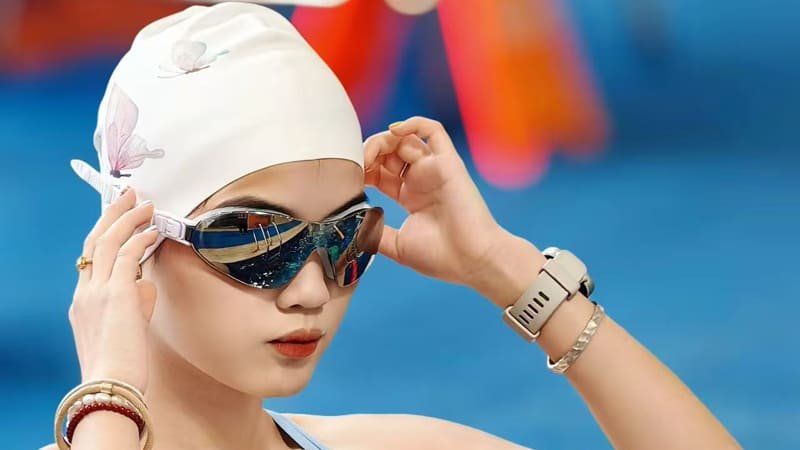
Recreational and Beginner Swimmers
Beginners benefit from clear underwater visibility while learning swimming techniques and becoming comfortable in the pool.
Anti-fog treatment can reduce the need to stop and adjust goggles because of condensation.
However, a comfortable fit and reliable seal remain equally important.
Competitive and Frequent Swimmers
Training swimmers often spend longer periods in the water.
Clearer lenses can help reduce interruptions during workouts, especially when goggles are used repeatedly.
For these swimmers, anti-fog durability matters in addition to initial performance.
Children’s Swimming Goggles
Anti-fog treatment can help children see more clearly during lessons.
However, children’s goggles should also be selected for appropriate fit, comfort, lens quality, and applicable safety requirements.
Anti-fog treatment alone does not establish whether a goggle is suitable for children.
Brands and Retailers
For swimming goggle brands, anti-fog performance is an important product feature, but it should be supported by appropriate specifications and testing.
A clear product description should explain the treatment’s intended benefit without making unsupported lifetime claims.
How Long Do Anti-Fog Swimming Goggle Coatings Last?
Anti-fog performance is not guaranteed to last indefinitely. Its durability depends on the technology, coating quality, usage conditions, and maintenance practices.
A swimming goggle may provide excellent initial fog resistance but lose effectiveness after repeated use.
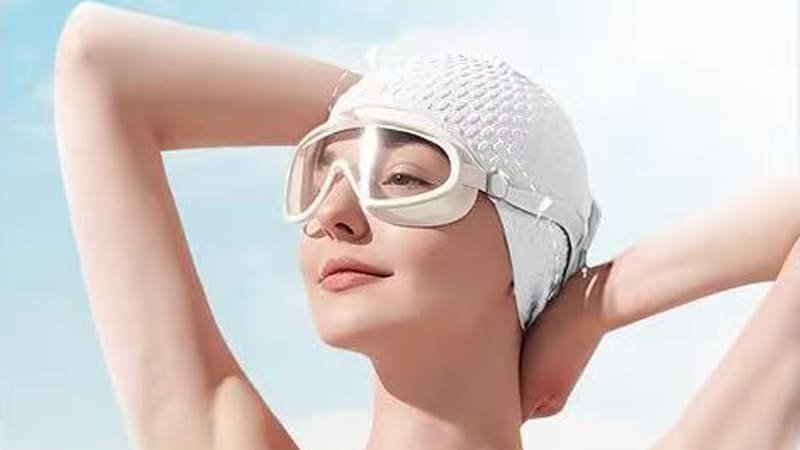
Several factors can influence performance:
| Factor | Possible Effect |
|---|---|
| Repeated water exposure | May affect susceptible coating formulations |
| Pool-water residue | Can interfere with lens clarity |
| Inner-lens rubbing | May damage conventional surface coatings |
| Excessive heat | Can stress some coating materials |
| Improper cleaning | May reduce coating effectiveness |
Does Chlorine Damage Anti-Fog Coating?
Chlorine exposure can contribute to the deterioration of certain anti-fog treatments, but it does not normally remove a suitable coating after a single swim.
The result depends on coating chemistry, actual exposure, and how the goggles are handled after swimming.
For a detailed explanation of chlorine exposure, pool-water residue, and coating damage, read our guide to how chlorine affects swimming goggle anti-fog coating.
Why Should Buyers Verify Coating Durability?
Initial anti-fog performance does not prove long-term reliability.
Brands planning OEM or private label production should confirm that the selected coating meets agreed durability requirements.
For repeated exposure testing and pre-production validation, see our anti-fog durability testing guide.
Does Anti-Fog Treatment Affect Comfort, Fit, or UV Protection?
Anti-fog treatment improves resistance to condensation, but it does not directly determine the comfort or overall construction quality of swimming goggles.
Both treated and untreated goggles can use:
- Polycarbonate or other suitable lens materials
- Silicone gaskets and straps
- Adjustable nose bridges
- UV-protective lenses
- Different frame and sealing designs
A premium anti-fog coating does not automatically mean better silicone, improved UV protection, or greater leak resistance.
These features depend on separate material choices and product specifications.
For swimmers, proper fit is especially important. Poorly fitted goggles may leak, shift during movement, or create uncomfortable pressure around the eyes.
For brands, anti-fog performance, optical clarity, sealing, comfort, and UV protection should be evaluated as separate product requirements.
How Should You Care for Anti-Fog Swimming Goggles?
Proper maintenance helps protect sensitive anti-fog treatments and reduce avoidable performance loss.
Most conventionally coated goggles benefit from a simple routine, although manufacturers may provide different instructions for specialized technologies.
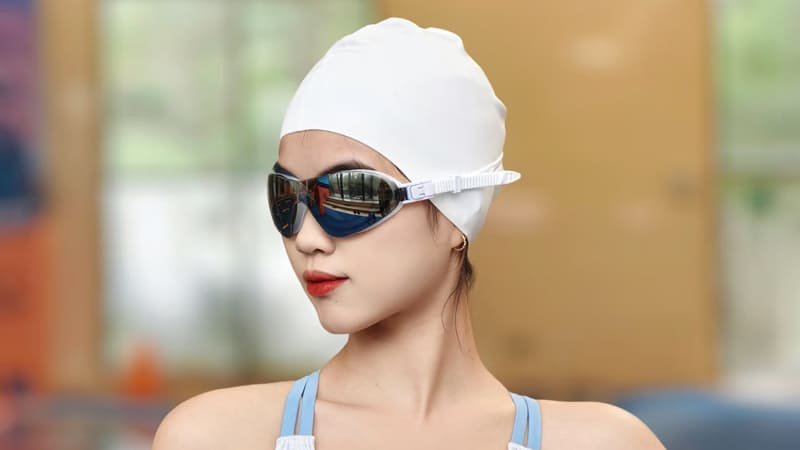
| Care Step | Recommended Practice |
|---|---|
| Rinse after swimming | Use clean, cool or lukewarm freshwater |
| Protect the inner lens | Avoid rubbing conventional coatings |
| Air-dry | Keep away from excessive heat and direct sunlight |
| Store safely | Use a protective case when dry |
| Avoid harsh cleaners | Follow product-specific instructions |
Some specialized anti-fog technologies allow particular reactivation or cleaning methods. Always follow the instructions supplied with the goggles.
Avoid applying baby shampoo, household detergents, or unapproved anti-fog solutions to coated lenses.
If the goggles begin fogging, first check for residue, improper fit, and possible coating wear before assuming the treatment has permanently failed.
What Should OEM Buyers Check Before Choosing Anti-Fog Swimming Goggles?
For OEM and private label brands, the choice is not simply anti-fog versus regular goggles.
Most buyers need to determine which anti-fog treatment provides suitable performance for their intended market and product positioning.
Before approving a supplier’s product, consider these questions:
| Buyer Question | What to Verify |
|---|---|
| What anti-fog treatment is used? | Coating type and intended application |
| How is performance evaluated? | Consistent testing and agreed acceptance criteria |
| Is the treatment suitable for the intended use? | Expected usage and relevant exposure conditions |
| Can manufacturing reproduce the approved sample? | Quality-control and production consistency |
| What care information is provided? | Instructions appropriate to the lens treatment |
A quick breath test may help screen a product, but it does not establish coating durability or manufacturing consistency.
For a more structured evaluation, see our guide to testing swimming goggle anti-fog performance.
For brands developing new collections, it is also important to consider how anti-fog performance fits alongside lens color, gasket design, UV protection, and packaging requirements.
Frequently Asked Questions
Are Anti-Fog Swimming Goggles Better Than Regular Goggles?
Anti-fog-treated lenses generally resist condensation better than otherwise comparable untreated lenses.
However, many regular swimming goggles already include anti-fog treatment. Compare actual lens specifications rather than relying only on product labels.
Can Anti-Fog Swimming Goggles Still Fog Up?
Yes. Anti-fog technology reduces fogging but does not guarantee permanently fog-free vision.
Coating wear, residue, environmental conditions, and improper care can affect performance.
How Can You Tell if Swimming Goggles Have Effective Anti-Fog Treatment?
Check the manufacturer’s specifications and evaluate the lens under consistent test conditions.
A quick breath test can provide an initial indication, but controlled testing is more useful for comparing products or approving bulk orders.
Can Anti-Fog Coating Be Reapplied?
Some compatible aftermarket anti-fog products may temporarily improve lens performance.
However, they do not necessarily restore the original factory treatment. Follow the manufacturer’s compatibility and application instructions.
Are Anti-Fog Swimming Goggles Suitable for Children?
Yes, provided the complete goggle design is appropriate for the child’s age, fit, and intended use.
Anti-fog performance is one feature; comfort, sealing, material safety, and applicable requirements also matter.
Can Anti-Fog Goggles Be Used in Pools and Open Water?
Many are designed for both environments, but suitability depends on the specific model.
Choose goggles based on intended conditions, lens tint, UV protection where needed, fit, and care requirements.
Conclusion: Should You Choose Anti-Fog Swimming Goggles?
Anti-fog swimming goggles offer a practical advantage over untreated lenses by reducing condensation and helping swimmers maintain clearer vision.
However, the best choice depends on more than anti-fog treatment alone.
Swimmers should consider fit, comfort, lens quality, and intended use. Brands should evaluate anti-fog technology, durability, testing requirements, and production consistency before approving a product.
The goal is not simply to choose goggles labeled "anti-fog," but to select a product with verified performance appropriate for its intended use.
With over 30 years of industry experience, Jerry supports swimming goggle brands through OEM/ODM development, lens treatment options, product customization, and quality-control planning.
Explore our custom swimming goggles manufacturing capabilities or contact Jerry to discuss your product requirements.