Old goggles fog up at the worst time, turning every race or training session into a frustrating battle for clear vision and focus.
By 2026, swimming goggles are expected to feature advanced, long-lasting anti-fog coatings, adaptive lens technology, innovative comfort-focused frames, and smart features like real-time fit sensors. These improvements promise lasting clarity, tangible comfort, and an edge for every swimmer.
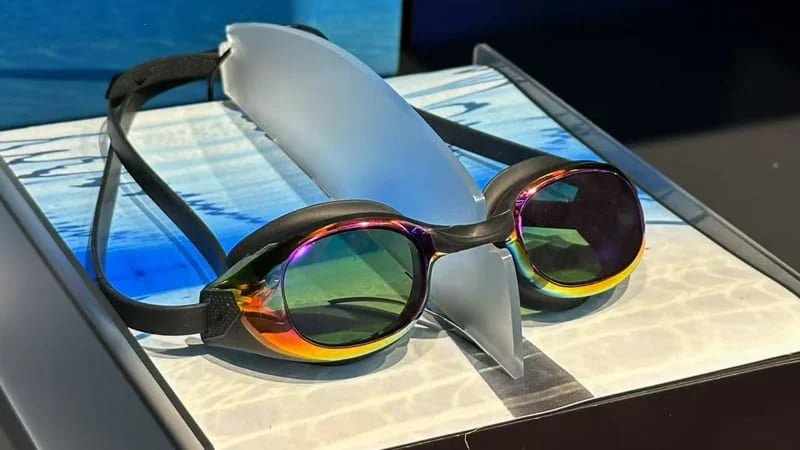
Swimming is evolving—and so is the technology behind your favorite goggles. Over the past thirty years, I’ve seen simple rubber bands replaced with precision-molded silicone and anti-fog sprays evolve into permanent lens coatings. Let’s dive into the cutting-edge innovations you can expect to see in the swim world by 2026, all aimed at ending fog frustration and maximizing comfort in every lap.
What new anti-fog solutions are set to redefine clear vision in 2026?
Traditional anti-fog wipes and sprays rarely last, forcing swimmers to buy replacements or deal with blurry vision mid-workout.
By 2026, most high-end swimming goggles will use next-gen hydrophilic coatings, nanostructured lens surfaces, or self-renewing anti-fog layers that last for months without maintenance—even after repeated use and cleaning.
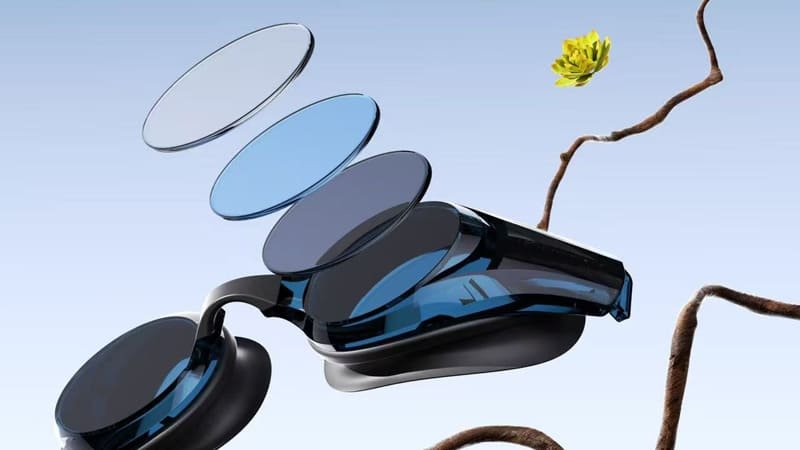
These breakthroughs focus on keeping vision clear without constant user attention. First, manufacturers are rolling out coatings that bond at a nanometer scale with the lens, so they resist wear from chlorine, sweat, or even gentle rubbing. Some advanced goggles use micro-patterned lens surfaces, inspired by nature (like lotus leaves), to steer moisture away by design. The most ambitious models now embed “self-healing” materials that renew their own anti-fog layer through light or friction—a swipe can reactivate the coating, with no new chemicals needed. For clubs and brands, the implications are big: fewer complaints, fewer returns, and longer product cycles mean better value and less downtime for swimmers. Here’s a tech comparison:
| Anti-Fog Tech Type | How It Works | Key Benefits |
|---|---|---|
| Nanocoating | Molecular lens bonding | Won’t wipe off, lasts months |
| Micro-pattern surface | Geometric water steering | No chemicals, nearly permanent |
| Self-renewing layer | Light/swipe reactivation | Always fog-free, user-friendly |
How are lenses themselves changing for better clarity and comfort?
Lens fog isn’t the only vision problem—uncomfortable pressure and poor clarity still affect many swimmers.
By 2026, lenses will combine photochromic transitions, high-clarity polarizing, prescription readiness, and variable thickness construction that flexes for pressure-free comfort and wide peripheral view.
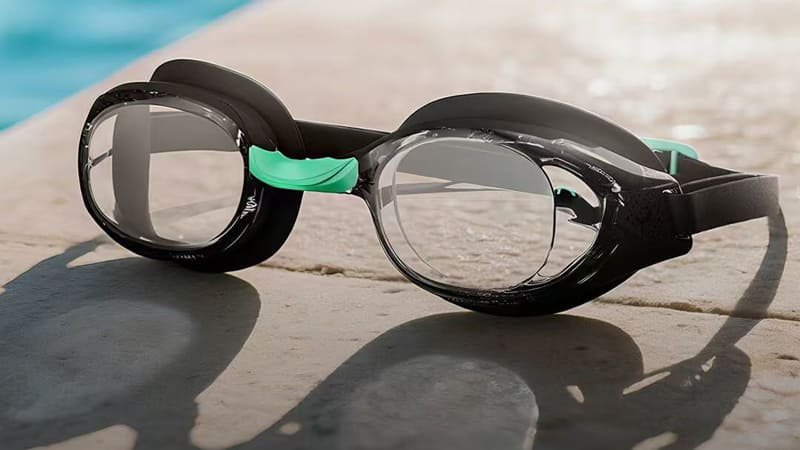
Swimmers want more than just fog-free sight—they want glare reduction, UV protection, and the perfect view for any environment. Next-gen lens tech will use multi-layer photoreactive films to darken or lighten on demand, adapting instantly from indoor pools to outdoor meets. Polarizing coatings cut backscatter and light flicker, reducing eye fatigue for long training sessions. Expect more prescription-ready slots and modular designs that let you swap out lens types without tools. Smart molding means the center lens remains optically clear, while the edges flex gently, giving a larger viewing “sweet spot” and pillow-like fit without red marks. For team buyers and brands, customized lens options create new market niches and happy swimmers. A quick rundown:
| Lens Feature | Why It Matters |
|---|---|
| Photochromic | One pair for all light conditions |
| Polarized | Reduces glare in/outdoors |
| Prescription adapters | Supports vision-impaired athletes |
| Variable thickness | Comfort + clearer wide angle |
What new frame and gasket designs will maximize comfort and avoid leaks?
Stiff frames and sharp gaskets lead to leaks, red circles, and lost swimmers—especially among people with unique facial contours.
In 2026, expect ultra-flexible frames, smart-memory silicone, and skin-adapted gaskets shaped by 3D scans of real users. Smart fitting sensors may detect leaks or pressure and guide adjustment on the spot.
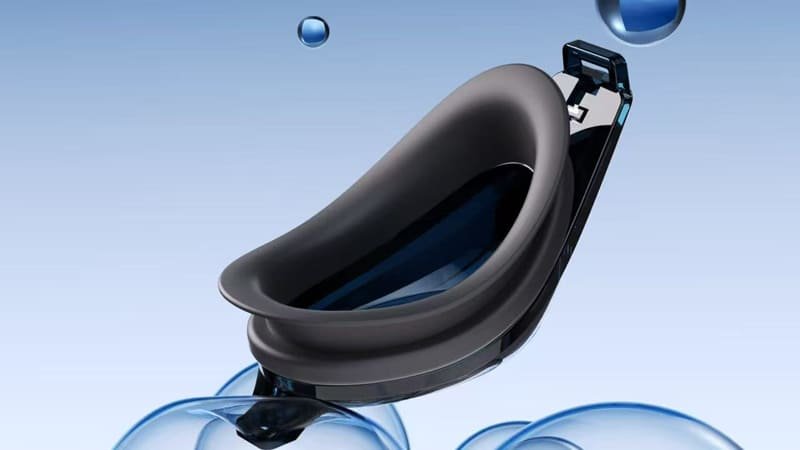
I’ve seen the limits of “off-the-shelf” design for years. New material science is bringing adaptive gaskets—these softly change hardness and curve in real time, matching your face whether you’re on the blocks or in open water. Elite brands will roll out frames with memory shape, so they return to their form after stretching or pressure. Several brands are trialing “smart gauges” inside the gasket or strap: these low-profile sensors alert swimmers through a tiny indicator or app if they need to refit, fix a leak, or relieve pressure points. In B2B, this means fewer sizing issues, a strong selling point in both retail and team orders, and a big reduction in complaints. See the comparison:
| Frame/Gasket Innovation | Main Benefit |
|---|---|
| Memory-shape silicone | Lasting custom fit, less warping |
| 3D scan-shaped gasket | Better seal for every face type |
| Fit/leak smart sensor | DIY feedback, less trial and error |
Are there “smart” features or digital upgrades coming for swimmer convenience?
Today’s goggles stop at vision or fit—future ones will add real data, unlocking new performance insights or hands-free training support.
By 2026, some competitive goggles will include low-profile heads-up displays, lap counters, and fitness trackers built into streamlined housings—designed to work without distraction or bulk.
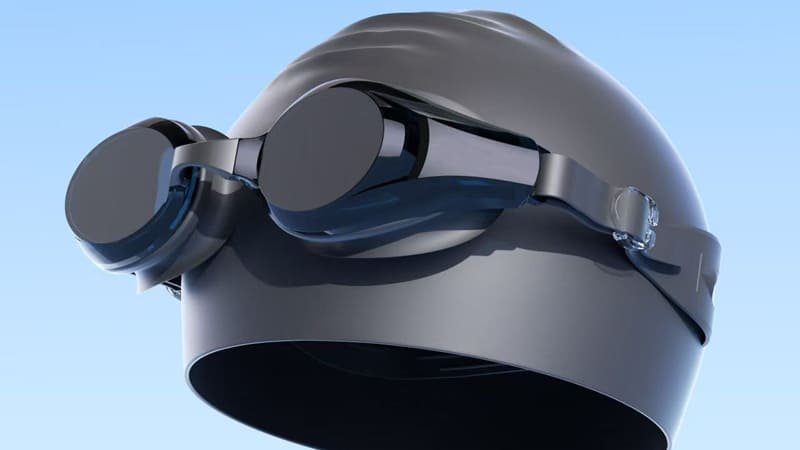
Swimmers and coaches crave feedback that doesn’t get in the way. Prototypes already show mini-LED screens built inside the lens rim, showing lap count, split time, or even heart rate. Others use bone-conduction or covert speakers for unobtrusive audio cues during training. Premium models will pair wirelessly with fitness apps, uploading workout data through Bluetooth or NFC without interrupting cooldown. For B2B and pro clubs, digital goggles mean new business models—specialty SKUs, team tracking, and high-margin accessories. Smart goggles are an investment in progress—and technology is advancing fast enough for real everyday use, not just prototypes. Here’s what’s coming:
| Smart Feature | Swimmer or Buyer Benefit |
|---|---|
| Lap/time display | Focused training, less counting |
| Fitness tracking | Health insights, performance metrics |
| Audio/voice cues | Hands-free coaching feedback |
| Wireless sync | Easy analysis, club/team dashboards |
How will sustainable materials and green manufacturing shape the next wave of goggles?
Disposable, short-lived goggles fill landfills, and buyers are asking for greener options at every level.
By 2026, the best brands will offer fully recyclable frames, bio-based silicone gaskets, solvent-free inks, and traceable supply chains—making “eco” the new standard in quality goggles.
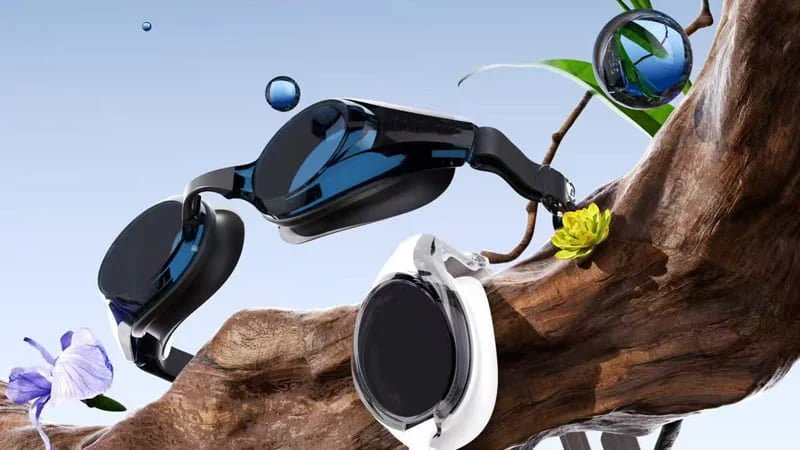
My conversations with new brands and pro buyers always circle back to impact and responsibility. Advances in plant-based polymers have enabled goggles that perform as well as traditional materials, but break down cleanly after use. Packaging and labeling inks will be water-based, avoiding solvents that harm factory workers or pollute. Smart supply chain transparency lets brands (and end customers) trace every goggle’s origin, from silicone batch to lens supplier, ensuring ethical labor and lower emissions. Expect sustainability to shift from “option” to default—with regulatory pressure backing it up. For brands, going green is now about leadership, not just image. Table:
| Green Innovation | Impact on Market/Quality |
|---|---|
| Plant-based frames | Less plastic waste, premium story |
| Bio-silicone gaskets | Comfort + compostable after use |
| Water-based inks | Safer factories, better recyclability |
| Full traceability | Builds trust, wins global clients |
Conclusion
2026 will bring more than just fog-free goggles—it will deliver a new era of swim comfort, clarity, and smart performance. Longer-lasting anti-fog coatings, adaptive lenses, memory-fit frames, digital meters, and eco-friendly materials are set to change the game. Now is the time for brands and buyers to prepare, test new tech, and listen to the demands of swimmers at every level. In 30 years, I’ve watched goggles transform—and the pace of change is only accelerating. The next generation of innovation is clearer, smarter, and greener.
Professional Insights
- Plan your model roadmap now: Secure supplier R&D samples of next-gen anti-fog and sustainable materials so you are ready to offer competitive innovation by 2026.
- Test smart sensor and heads-up tech with real swimmers—don’t just trust lab specs. Gather real-world feedback to fine-tune product offerings.
- Work with certified suppliers who already offer plant-based or recycled components. These partnerships speed up market entry as green requirements become law.
- Build clear marketing around “fog-free for life” and “smart comfort tech”—these are emerging key purchase drivers for both retail clients and institutional buyers.
FAQs
-
What is the difference between traditional and 2026 anti-fog coatings?
New coatings last months and can self-renew with a swipe, while old types usually wear off after a few swims. -
Can 2026 goggles really fit every face shape?
Future frames use memory materials and 3D scan-shaped gaskets for a customizable fit across more faces. -
What smart features might distract swimmers?
Top digital integrations are designed for subtlety—no large screens or controls, just clear feedback or gentle audio cues. -
How eco-friendly are green goggles next year?
Most leading brands aim for fully recyclable frames, bio-silicone gaskets, and water-based inks—making them more sustainable than past models. -
Will smart goggles be allowed in competitions?
Most regulatory bodies are still reviewing; expect rapid updates and clear rules as the technology spreads, especially at pro levels. -
Is it worth investing in smart or eco innovations for club/team goggles?
Early investment attracts eco-conscious teams and gives a unique selling point, while smart features can improve coaching and performance analytics.