Swimmers want goggles that feel great, never fog up, and stay put—otherwise, every lap becomes a struggle.
The top swimming goggles of 2026 combine advanced anti-fog tech, all-day comfort, solid UV protection, and customized fit, so every swimmer can train, compete, or relax without distractions.
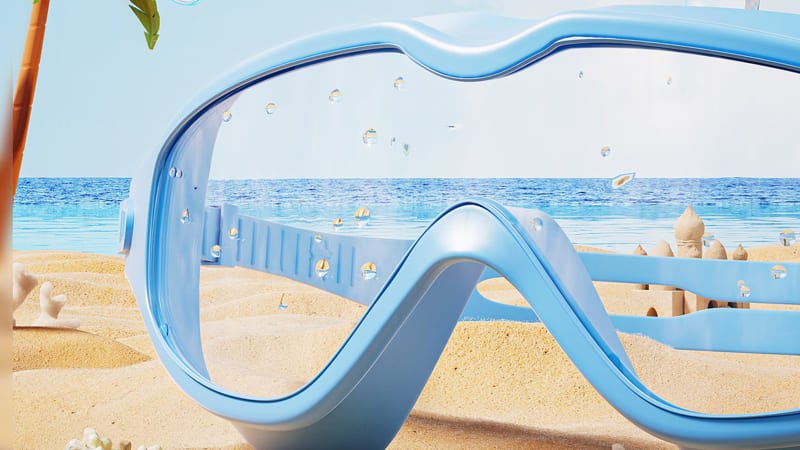
Every year, the goggle market gets more competitive, and what worked before might fall short now. Over the years, I have seen how material breakthroughs and smarter designs have shifted what buyers expect from a “perfect” pair. In 2026, the right goggles are shaped by science, real user demands, and flexible manufacturing, not marketing hype.
What Features Make 2026’s Top Swimming Goggles Stand Out?
Have you ever yanked off your goggles mid-workout because fog or water leaks made you miserable? Even a great suit can’t make up for bad goggles.
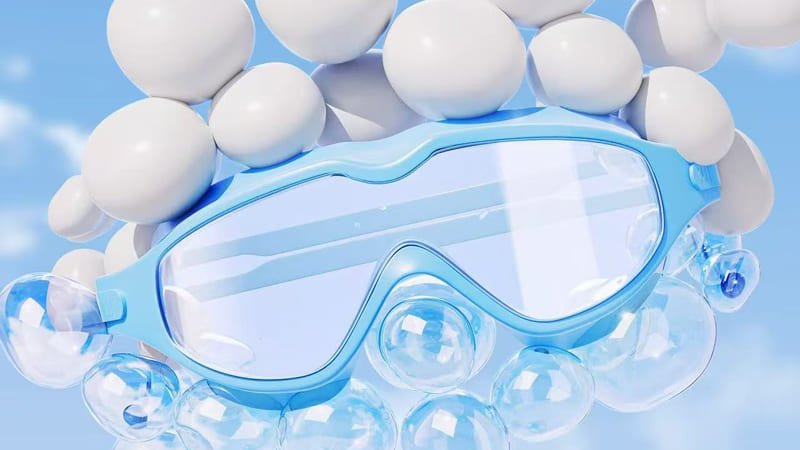
In 2026, leading goggles offer advanced anti-fog coatings, true UV400 lens protection, pressure-free silicone seals, and slide-lock or quick-adjust straps. These features help swimmers focus on their stroke, not their gear.
Why Are These Features Essential for Swimmers Now?
Technology is finally catching up to swimmers’ frustrations. New anti-fog formulas are baked right into the lens, not just sprayed on. Soft silicone seals mold gently to different faces, fighting leaks and “raccoon eyes.” UV400 protection—a new norm, thanks to growing sun-safety awareness—keeps eyes safe outdoors.
| Feature | Function | 2026 Advancement |
|---|---|---|
| Anti-Fog Coating | Maintains lens clarity | Nano-layer, lasts longer, no streaking |
| UV400 Protection | Blocks harmful UVA/UVB rays | Universal in all pro lines |
| Silicone Seal | Leak-free fit, comfort | Custom hypoallergenic blends |
| Quick Strap System | Easy on/off, fine fit adjustment | One-hand slide lock |
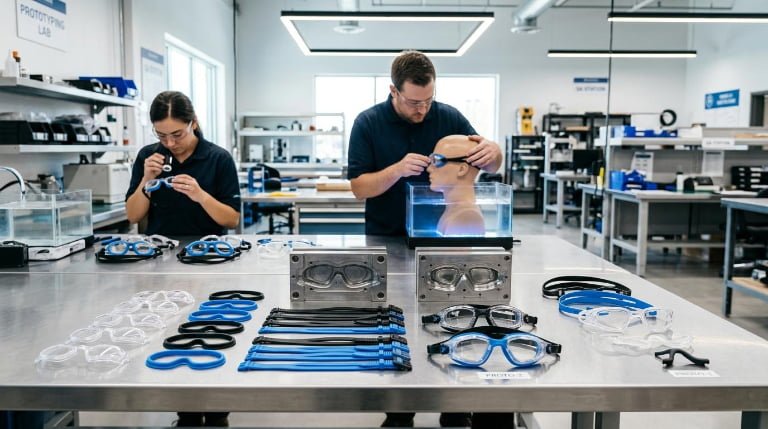
I make sure every lens gets fog tested in actual steam, not just in a lab. UV claims are checked in the sun. Silicone is chosen for softness and durability. This hands-on approach builds real trust for brands.
How Does Material Selection Influence Performance and Sustainability?
Not all goggles that look tough can handle years of pool chemicals—or even a few drops from the locker bench. Premium materials can make or break reliability and comfort.
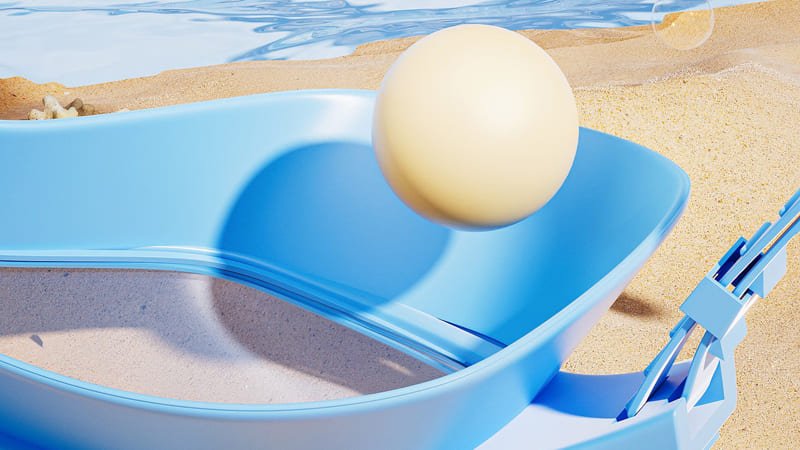
High-end 2026 goggles use shatterproof polycarbonate for lenses and medical-grade silicone for gaskets and straps. Some brands now use plant-based or recycled TPU to cut environmental impact while keeping top performance.
Which Materials Set Today’s Best Goggles Apart?
Material science can solve pain points and tap into bigger trends. Polycarbonate lenses stay clear and tough, resisting scratches or cracks. Advanced silicone feels gentle even after hours of wear and keeps its tension over years. Many of our partners are asking for recycled materials; I’ve run tests to ensure those do not slip or degrade quicker, making them ready for retail claims.
| Material | Why It’s Chosen | Market Impact 2026 |
|---|---|---|
| Polycarbonate Lens | Ultra clear, shatterproof | Pro and rec swimmers everywhere |
| Medical-grade Silicone | Soft, hypoallergenic | Lasts longer, stays comfortable |
| Recycled/Bio TPU Straps | Green, strong | Eco-conscious buyers winning |
I always walk buyers through material options and honest pros/cons in our sourcing meetings. When they see the testing process, they see the value behind that cost.
How Are 2026 Design Trends Shaping Function and Fashion?
A stylish look attracts attention, but poor visibility or drag ruins a swimmer’s day. In 2026, design is about standing out and performing better.
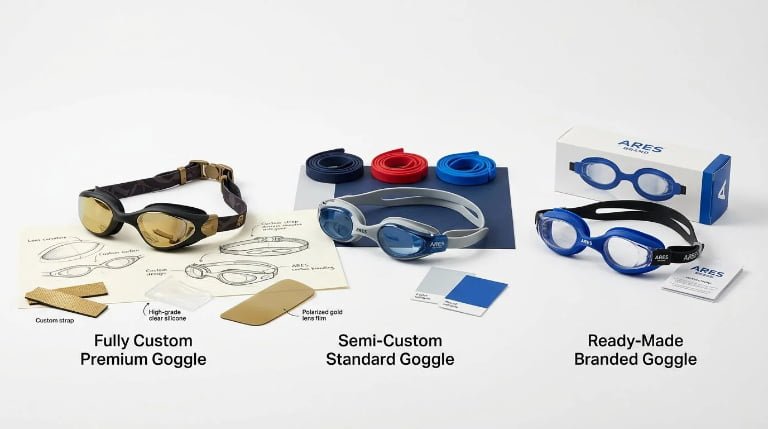
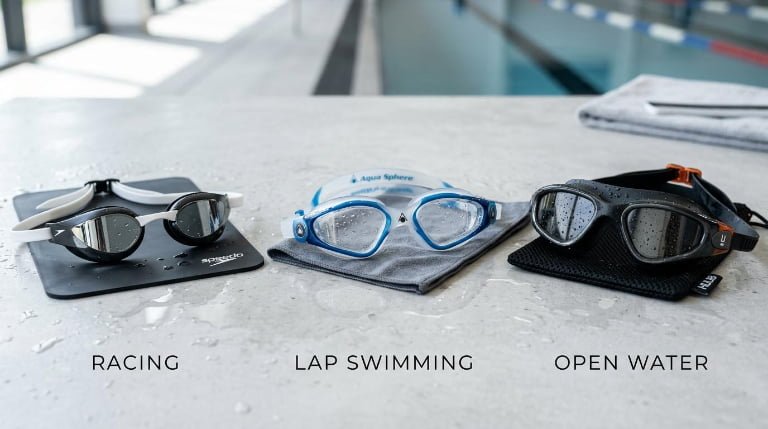
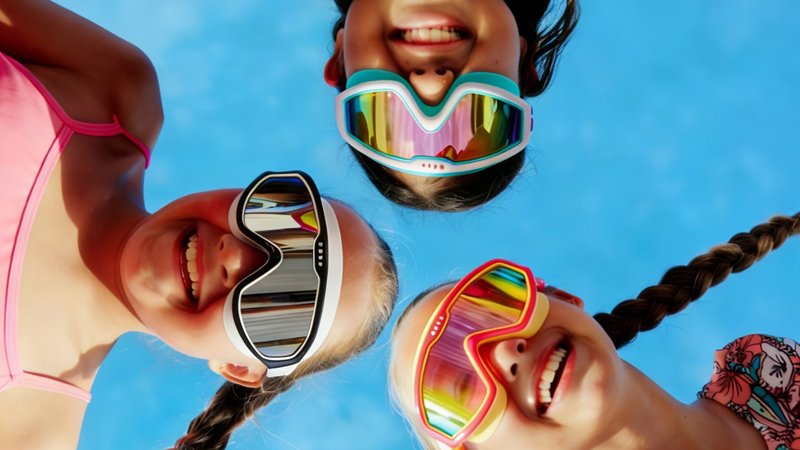
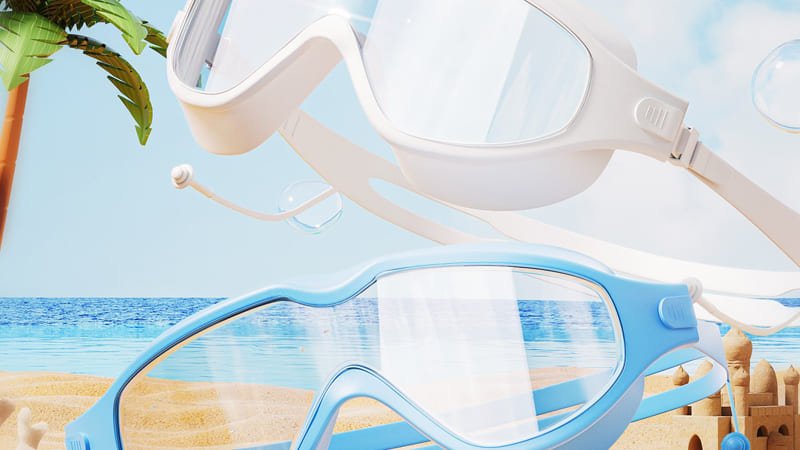
Trendy goggles now feature panavision lenses for wide sight, streamlined frames for less drag, and custom finishes—mirrored, pastel, or color-shifting—for every brand persona. Custom branding areas are a must for private labels.
How Do Swim Goggle Designs Balance Looks and Utility?
I have seen brands flop by chasing wild shapes that miss basics like side vision or snug fit. In 2026, “wow” is about performance-driven design: toric lenses for a full view, slim profiles for racing, and color mixes for lifestyle swim. We build for both function and look—testing for fog or leaks, then showing 3D mockups with real logos and tones.
| Design Feature | Swimmer Benefit | Trend Example |
|---|---|---|
| Panavision Lens | Fewer blind spots | 180°+ vision |
| Slim Frame | Low drag, pro silhouette | Triathlete favs |
| Custom Branding Area | Boosts private label strength | Screen print / deco |
| Multi-hue Finish | Standout shelf identity | Seasonal color collabs |
Every year, I listen to buyer and athlete feedback on frame feel, lens clarity, and even logo location. These insights go back into the design table, leading to the most practical yet standout gear on shelves.
Conclusion
The best swimming goggles of 2026 are built on consumer feedback, careful material choices, and innovative-yet-practical design. Industry leaders deliver on reliability, comfort, and style without flashy promises, and buyers notice. I believe in hands-on testing, green options, and treating every order as a potential long-term relationship.
Professional Insights for B2B Clients:
- Embrace tangible upgrades—anti-fog, UV protection, custom-fit comfort. Your reputation improves with every “no more leaks or fog” review.
- Don’t cut corners on materials. Show customers the difference with feel tests and testing data. Communicate the value for higher margins.
- Balance design with end-user insights. Let real experiences guide color, shape, and brand placement—then back up claims with evidence.
- Push for environmental progress where you can, but test thoroughly. A recycled strap only matters if it meets trust, performance, and compliance standards.
With 30 years in goggles, I know each detail does more than just sell—it defines your brand’s future.
FAQs
Q1: What makes anti-fog coatings in 2026 better than before?
Advanced nano-layered coatings are now built into the lens during manufacturing, providing consistent clarity and durability against sweat, chemicals, and frequent use.
Q2: Are all new goggle models equipped with UV400 protection?
Most reputable brands include UV400 lenses as standard, offering complete UVA and UVB eye safety for both indoor and outdoor swimming.
Q3: How can I ensure a perfect fit for my brand’s goggles?
Look for adjustable straps with ratchet or one-hand slide locks, and prioritize demo fittings with different face shapes before committing to a design.
Q4: Which materials are most reliable for long-lasting swimming goggles?
Polycarbonate lenses and medical-grade silicone gaskets offer the best combination of clarity, durability, and comfort, while eco-friendly TPU straps are on the rise.
Q5: How do I balance eco-friendly materials with cost and performance?
Work with manufacturers who test recycled blends under real pool conditions, ensuring straps and seals don’t lose grip or elasticity with use.
Q6: Can I customize the goggles’ design for my brand?
Yes, most factories now offer custom logo printing, color matching, and design tweaks—ask for realistic 3D samples and test prototypes before bulk production.