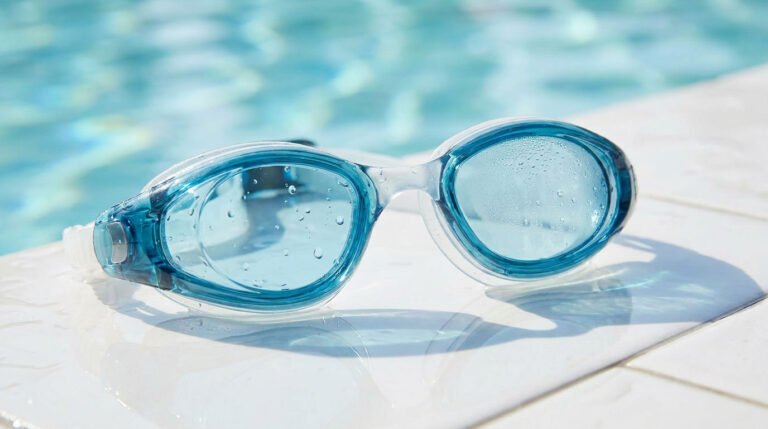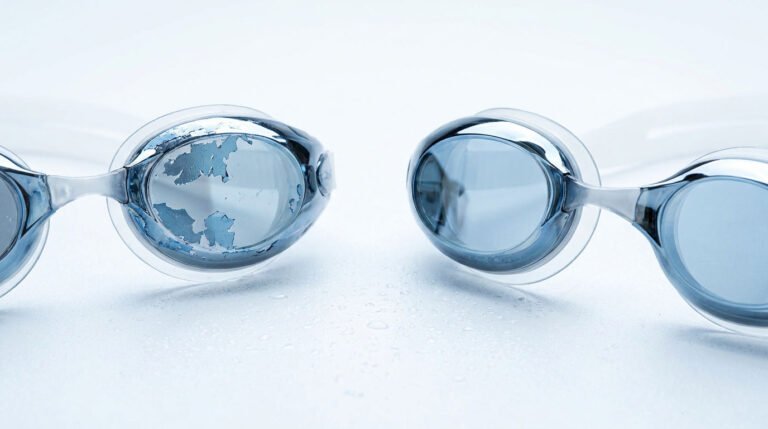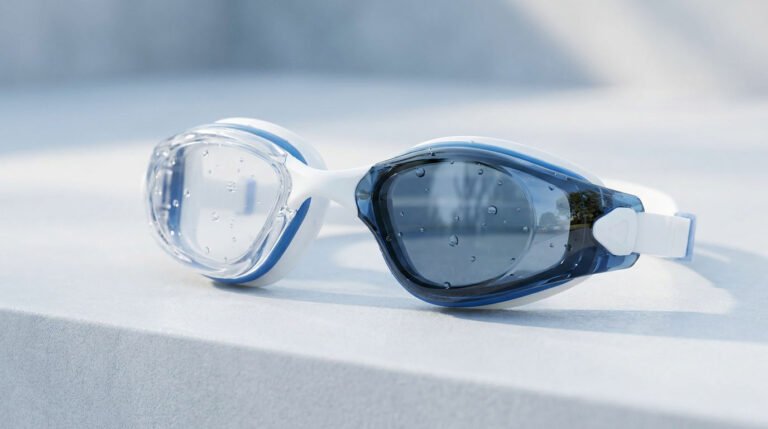
Swimming goggles can provide clear vision when new, yet begin fogging after repeated pool use. When this happens, swimmers often blame chlorine for damaging the anti-fog coating.
But does chlorine actually destroy swimming goggle anti-fog coating, or are other factors responsible?
Chlorine does not normally remove anti-fog coating after a single swim. However, repeated exposure to chlorinated water may contribute to coating degradation, depending on the coating formulation, exposure conditions, and maintenance habits. Pool-water residue, inner-lens rubbing, and excessive heat can also reduce anti-fog performance.
For swimming goggle brands and distributors, understanding these differences helps distinguish normal coating wear from cleaning problems and potential manufacturing defects.
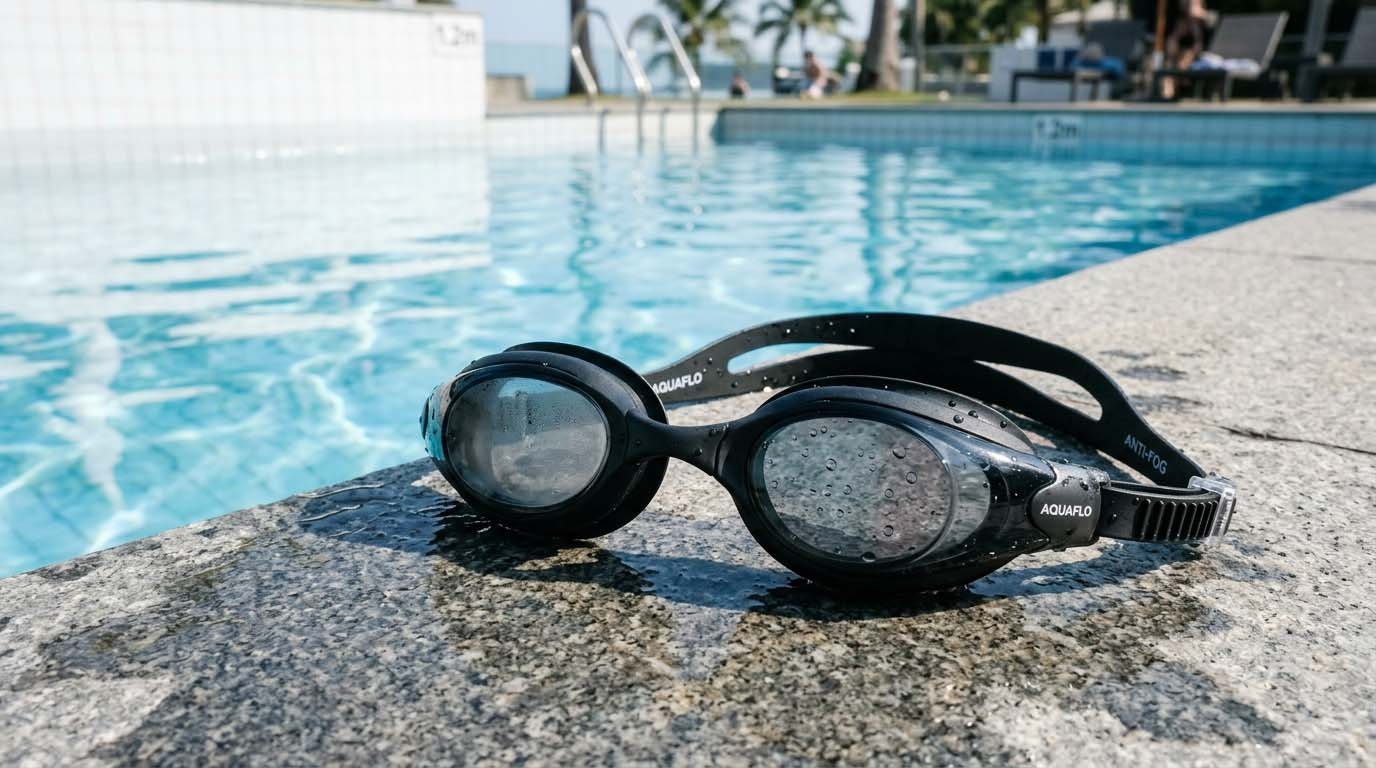
Quick Answer: Does Chlorine Damage Swimming Goggle Anti-Fog Coating?
Yes, chlorine can contribute to the deterioration of certain anti-fog coatings over time, but chlorine exposure alone does not explain every fogging problem.
Anti-fog performance depends on several interacting factors:
| Factor | Possible Effect on Anti-Fog Performance | Recommended Action |
|---|---|---|
| Chlorinated pool water | May gradually affect susceptible coating formulations | Rinse after swimming |
| Pool-water residue | Can leave deposits that interfere with surface performance | Rinse with clean freshwater |
| Inner-lens rubbing | May physically damage the anti-fog treatment | Avoid touching or wiping |
| Excessive heat | Can stress some coating materials | Keep away from hot environments |
| Manufacturing variation | May cause premature or uneven performance loss | Investigate coating quality |
One important distinction is that the inner anti-fog surface is not continuously exposed to pool water when goggles are properly sealed. Contact may occur through leakage, deliberate filling or rinsing, or other handling.
Therefore, swimming frequency alone cannot establish how much chlorine exposure the inner coating has received.
How Does Chlorine Interact With Swimming Goggle Anti-Fog Coatings?
How Does an Anti-Fog Coating Work?
Many swimming goggles use a hydrophilic treatment on the inner lens surface.
When warm, humid air inside the goggles meets a cooler lens, moisture can condense into tiny droplets. These droplets scatter light and create visible fog.
A hydrophilic anti-fog surface encourages condensed moisture to spread into a more uniform film, reducing light scattering and helping swimmers maintain clearer vision.
However, different goggles may use different anti-fog technologies, including surface-applied coatings and treatments incorporated into lens materials.
Their durability and sensitivity to environmental conditions are not necessarily identical.
For a broader explanation of these product differences, see our anti-fog swimming goggles vs. regular goggles guide.
Can Chlorine Chemically Damage the Coating?
Pool disinfectants contain active chlorine compounds that can react with susceptible organic materials.
Depending on the anti-fog formulation, repeated exposure may contribute to changes in surface chemistry, coating integrity, or moisture-spreading performance.
However, this does not mean every anti-fog coating reacts identically.
The actual effect depends on:
- The coating formulation and bonding system
- Chlorine concentration and pool-water chemistry
- Duration and frequency of direct exposure
- Water temperature and environmental conditions
- Cleaning and handling after swimming
A coating designed for repeated swimming-pool use may resist exposure better than a less durable treatment.
The practical concern is cumulative performance change, not necessarily immediate chemical destruction.
For manufacturers, chlorine resistance should be evaluated using conditions appropriate to the actual product and its intended use.
Chlorine Residue vs. Permanent Anti-Fog Coating Damage
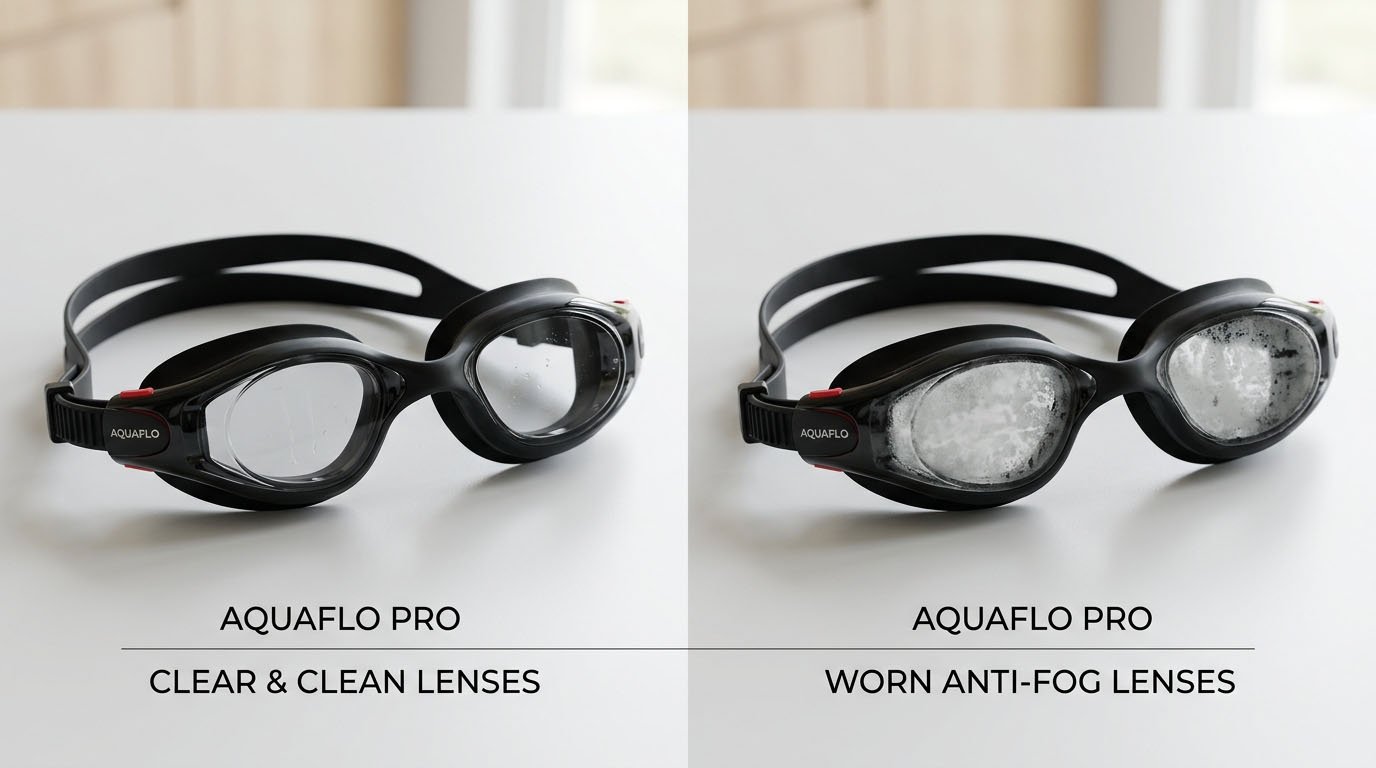
Not every cloudy swimming goggle lens has a damaged anti-fog coating.
After swimming, pool water can leave dissolved minerals, treatment-chemical residues, or other contaminants on lens surfaces as it dries.
These deposits may interfere with optical clarity or moisture spreading even when the underlying anti-fog treatment remains functional.
This creates an important distinction between surface contamination and permanent coating damage.
How Can You Identify the Difference?
| Observation | Possible Explanation | What to Check |
|---|---|---|
| Cloudiness after pool use | Pool-water residue or surface contamination | Whether manufacturer-approved rinsing improves clarity |
| Gradually increasing fogging | Coating wear, contamination, or changing use conditions | Usage history and cleaning habits |
| Visible scratches or wiping marks | Mechanical surface damage | Evidence of rubbing or contact |
| Patchy fogging from first use | Coating variation or localized contamination | Compare with unused goggles from the same batch |
| Persistent fogging after proper care | Coating deterioration or another performance problem | Evaluate against a reference sample |
These are diagnostic clues, not definitive proof of a particular cause.
Can Pool-Water Residue Be Removed?
In some cases, gentle freshwater rinsing can remove deposits and restore clearer performance.
However, avoid attempting to remove stubborn residue by rubbing the inner lens.
If the coating has already suffered physical or chemical damage, rinsing will not restore the original factory treatment.
For brands investigating complaints, compare the affected goggles with an unused reference pair before concluding that chlorine caused irreversible failure.
Why Do Heat, Wiping, and Improper Cleaning Accelerate Anti-Fog Wear?
Chlorine is only one potential contributor to declining anti-fog performance.
In everyday use, incorrect cleaning and storage can create additional risks.
1. Rubbing the Inner Lens
The inner lens is usually the most sensitive surface of a coated swimming goggle.
Fingertips, towels, and cloths may abrade or disturb the anti-fog treatment, depending on its construction.
Repeated wiping can produce uneven fogging and visible surface marks.
This is why swimmers should avoid rubbing the inner lens, even when condensation appears during use.
2. Exposure to Excessive Heat
Leaving goggles in a hot car, near a heater, or in prolonged direct sunlight can expose the product to unnecessary thermal stress.
Heat may affect some coating systems, lens materials, and other goggle components.
Avoid using very hot water for cleaning.
3. Harsh Cleaning Products
Soap, detergents, abrasive cleaners, and other unapproved chemicals may interfere with anti-fog treatments.
Cleaning requirements vary by product, so the safest approach is to follow the manufacturer’s instructions rather than assume a household cleaning product is suitable.
4. Poor Storage Conditions
Storing wet goggles inside a closed swimming bag can leave moisture and contaminants in contact with the lenses for extended periods.
Contact with straps or other equipment may also scratch sensitive surfaces during transportation.
Proper post-swim handling helps reduce avoidable coating damage, although it cannot guarantee unlimited anti-fog performance.
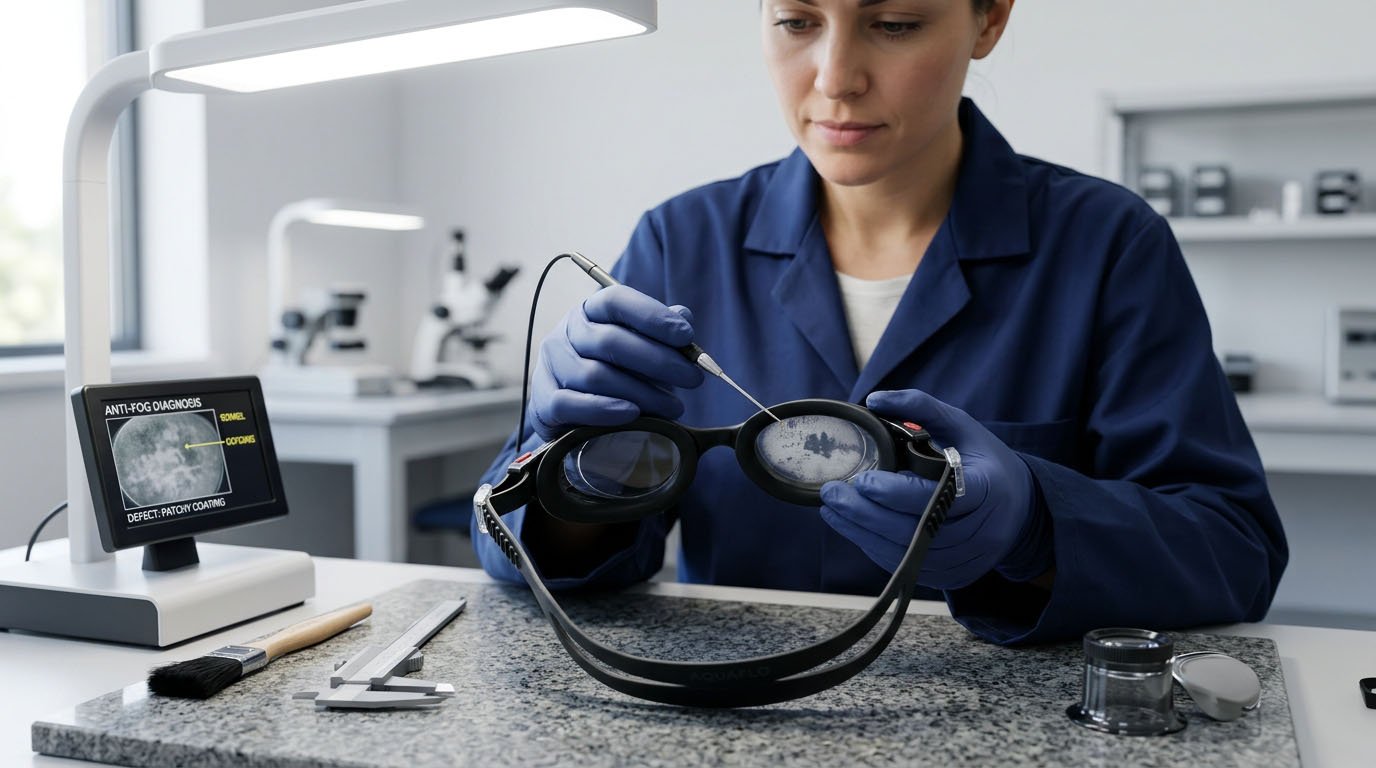
How Can Brands Distinguish Normal Coating Wear From Manufacturing Defects?
For swimming goggle brands, a fogging complaint does not automatically establish either user misuse or a factory defect.
The most useful starting points are:
- When the problem first appeared
- Whether it affects one product or multiple units
- The condition of the lens surface
- The customer’s cleaning and storage practices
- How affected units compare with retained production samples
Normal Wear vs. Potential Manufacturing Issues
| Complaint Pattern | Possible Cause | Recommended Investigation |
|---|---|---|
| Gradual decline after extended use | Cumulative coating wear or residue | Review usage and care history |
| Fogging during the first swim | Initial performance issue, contamination, or usage conditions | Compare with unused control samples |
| Similar complaints across one production batch | Possible coating or process variation | Review production records and retained samples |
| Localized scratches and haze | Surface contact or abrasion | Examine handling and physical damage |
| Different results between identical new units | Possible product variation | Conduct controlled comparative testing |
Fogging during first use deserves investigation, but it does not automatically prove a manufacturing defect.
Lens temperature, condensation conditions, water leakage, and test methods may also affect what swimmers observe.
What Should OEM Buyers Verify?
When premature anti-fog failure is reported, buyers should ask whether the original product specification included appropriate durability verification.
Relevant considerations include:
- The approved anti-fog treatment and lens configuration
- Defined exposure and performance requirements
- Consistent evaluation conditions
- Comparison with retained production samples
- Traceability of affected production batches
These checks help determine whether the problem relates to real-world use or manufacturing consistency.
For the detailed validation process, see our anti-fog durability testing guide before mass production.
If the complaints are concentrated in bulk production rather than approved samples, additional investigation may be necessary. Our guide to why samples pass anti-fog tests but bulk orders fail explains that separate manufacturing issue.
How Should Swimmers Protect Anti-Fog Coating After Chlorine Exposure?
Good post-swim care is one of the simplest ways to reduce avoidable damage.
For most conventionally coated swimming goggles, the following routine is a useful starting point, subject to the product’s specific care instructions.
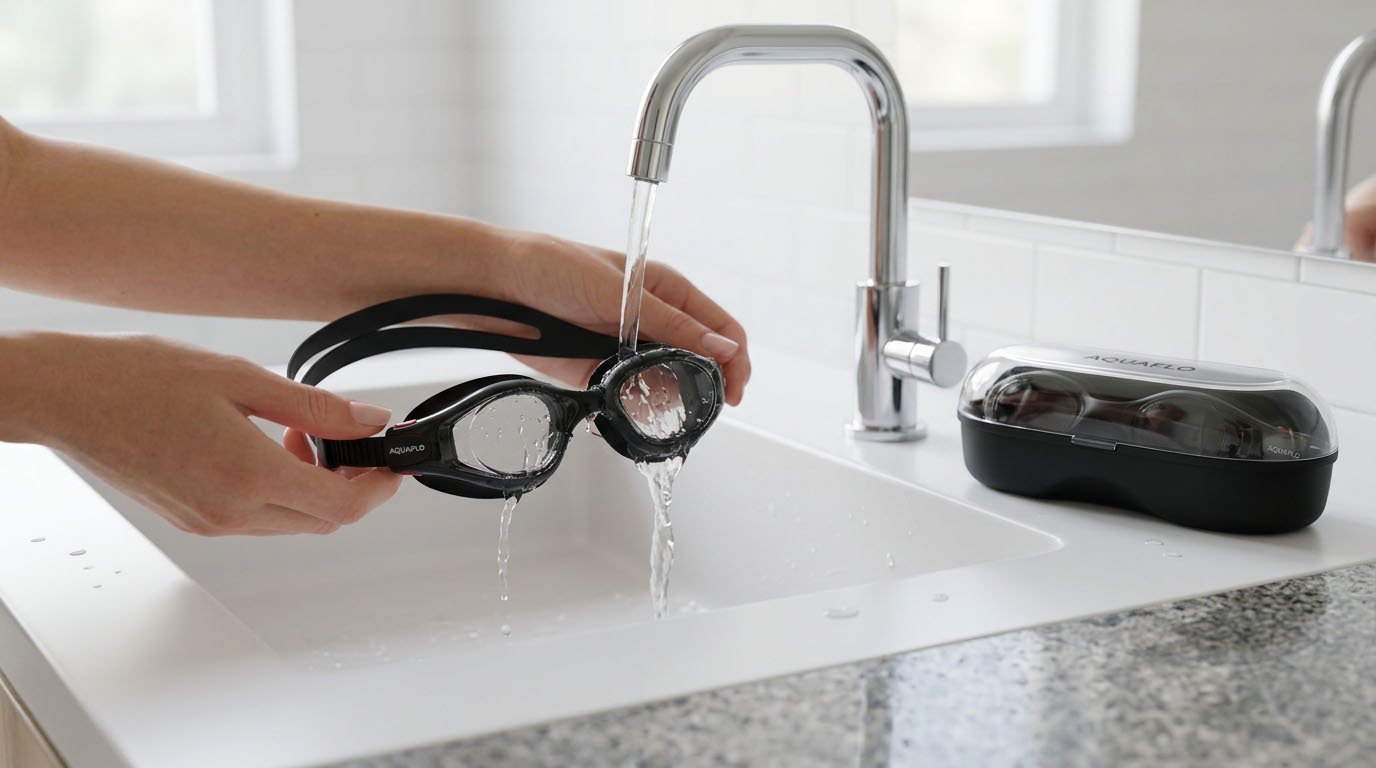
Step 1: Rinse With Clean Freshwater
After leaving the pool, gently rinse the goggles with clean, cool or lukewarm freshwater to remove pool-water residue.
Avoid aggressive water jets or prolonged soaking unless the product instructions permit them.
Step 2: Never Rub the Inner Lens
Do not wipe the coated inner surface with fingers, towels, or clothing.
If water remains on the lens, gently shake off the excess rather than rubbing it away.
Step 3: Allow the Goggles to Air-Dry
Leave the goggles in a clean, shaded, ventilated area.
Avoid direct heat and prolonged sun exposure.
Step 4: Store the Goggles Properly
Once dry, place the goggles in a protective case or pouch.
Try to prevent straps, sharp objects, and other equipment from rubbing against the inner lens.
Step 5: Avoid Unapproved Cleaning Chemicals
Do not automatically use soap, shampoo, alcohol, or household cleaners on coated lenses.
Follow the care instructions supplied with the specific swimming goggles.
What Should Brands Include on Care Cards?
For private label swimming goggles, a short care message can reduce confusion:
After swimming, rinse gently with clean freshwater. Do not rub or wipe the inner lens. Allow the goggles to air-dry away from heat and direct sunlight. Store them in a protective case once dry. Follow the product-specific care instructions.
This gives customers practical advice without making unsupported lifetime guarantees.
Frequently Asked Questions About Chlorine and Anti-Fog Coating
Does Chlorine Permanently Remove Swimming Goggle Anti-Fog Coating?
Not necessarily.
A single swim in a properly maintained pool would not normally be expected to remove a suitable anti-fog treatment.
However, repeated direct exposure may contribute to deterioration in susceptible coatings. Abrasion and improper cleaning can also cause lasting damage.
How Long Does Anti-Fog Coating Last in Chlorinated Water?
There is no universal lifespan.
Durability depends on the coating technology, frequency of direct exposure, cleaning practices, storage conditions, and manufacturing quality.
Brands should avoid claiming an exact number of swims or months without supporting test data.
Can Anti-Fog Spray Restore a Damaged Swimming Goggle Lens?
Some compatible anti-fog products can temporarily improve moisture-spreading performance.
However, an aftermarket treatment does not necessarily repair a physically damaged factory coating or restore its original durability.
Check compatibility and follow the instructions of both the goggles and the anti-fog product.
Does Saltwater Damage Anti-Fog Coating Differently From Chlorinated Pool Water?
Saltwater and chlorinated pool water expose goggles to different chemical conditions.
Salt deposits can remain after seawater evaporates, while pool-water exposure involves disinfectants and other treatment chemicals.
Both environments make appropriate rinsing and storage important. The actual coating response depends on the material and formulation.
Why Do My Swimming Goggles Fog After Only a Few Uses?
Possible causes include residue buildup, improper cleaning, physical damage, condensation conditions, or a coating performance issue.
If the problem appears unusually early, compare the product with an unused reference pair and contact the supplier for guidance.
Conclusion: Chlorine Is One Factor in Anti-Fog Coating Durability
Chlorine can contribute to swimming goggle anti-fog coating deterioration, but it is rarely useful to blame chlorine without examining the full exposure and care history.
Pool-water residue, inner-lens rubbing, excessive heat, and manufacturing variation can also affect performance.
For swimmers, the most practical protection is simple: rinse gently, avoid rubbing the inner lens, air-dry properly, and store the goggles carefully.
For swimming goggle brands, the goal is to distinguish temporary surface contamination from actual coating failure and verify durability before making product claims.
At Jerry, we support OEM and ODM swimming goggle development with anti-fog coating options, product customization, and quality-control planning.
Explore our custom swimming goggles manufacturing capabilities or contact Jerry to discuss your anti-fog performance and product development requirements.